History of Essential Oils & Aromatherapy
From the early 10th century until today, people’s interest in using essential oils for health care has been evident.
Hippocrates, the father of modern western medicine, is believed to have recommended that the way to total health was to have an aromatic bath and scented massage every day. The Babylonians added essential oil to the mortar with which they built their temples. The Egyptians used essential oil as part of their personnel hygiene and their priests used these same aromatic substances for embalming and for treating manias, depression, and nervousness. The Arabian Avicenna who lived in 10th century Constantinople wrote over 100 books. The first was on the benefits rose water, which had been brought back from the east during the crusades. Rose water went on to become popular in medieval Arab cooking.
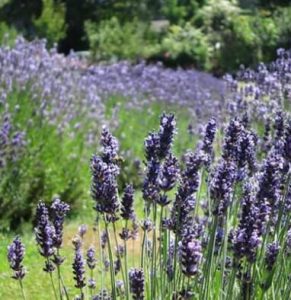
Around 1200AD France established itself as the perfume-making centre of Europe. Throughout the Middle Ages herbals started to be published and recipes for making essential oil appeared on their pages. Glove makers used aromatic oils for their genteel customers who could not cope with the stench of open sewers. It is reported that the only people to survive the ravages of the plagues that struck Europe during these centuries were people who worked with aromatic oil or those who lived near lavender fields.
Rene-Maurice Gattefosse
Rene-Maurice Gattefosse coined the term aromatherapy in the 1920s. While studying the therapeutic properties of essential oil in the course of developing perfumes and cosmetics for his family’s business, he burned his arm and put it into the nearest cold liquid he could reach which happened to be a container of lavender essential oil. He was surprised at how little pain he felt and he noticed that he did not have the usual redness and blisters associated with a bad burn.
Jean Valnet
French aromatherapist Jean Valnet used aromatherapy to treat French soldiers during the Second World War. His contribution to the field of aromatherapy in the mid 1900”s is legendary, and in 1981 he founded The College of Aromatherapy in France.
Aromatherapy in Modern Times
In past centuries the healing arts were passed down through generations of families. Much of this knowledge was lost once modern medicine took over the healthcare of individuals. In the 1970s, with a renewed interest in alternative health remedies, people began to look to the past for answers to their healthcare needs and aromatherapy was one of those answers.
Scientific Research into Essential Oils
While many people believed in the efficacy of essential oils because of their own or someone else’s experience, others wanted a scientific basis to explain how essential oils work. Using modern scientific methods to test their efficacy, it is now known that some essential oils can benefit mood while others can be anti-bacterial, anti-fungal, anti-viral and anti-inflammatory. It has further been determined that when used medicinally, essential oils enter and leave the body with great efficiency leaving no toxins behind. Unlike chemical drugs, essential oils do not stay in the body; they are excreted through urine, feces, perspiration and exhalation.
The Future of Aromatherapy
Aromatherapy has a long history of use; however, much more is yet to be discovered about the properties and benefits of pure essential oils. Continued scientific research may certainly confirm what many people already believe – that essential oils carry with them the potential for healing and supporting good health.
*This is educational information and any opinions expressed here-in do not replace professional medical advice. If you are ill, see a suitably qualified medical practitioner.*
All articles on this website are copyright Green Valley Aromatherapy Ltd. If you wish to reprint any article from Green Valley Aromatherapy’s website in your ezine, website, blog, forum, RSS feed or print publication, you must first agree to the conditions of our article reprint policy.